A game invented because the children were bored. Sixty years later, twenty million people play it.
Pickleball has no ancient lineage, no founding myth worth embroidering and no equipment tradition to inherit. It was assembled in one afternoon in 1965 out of whatever was in the shed. We find that worth knowing, because a game with no history is a game whose objects have not been settled yet.
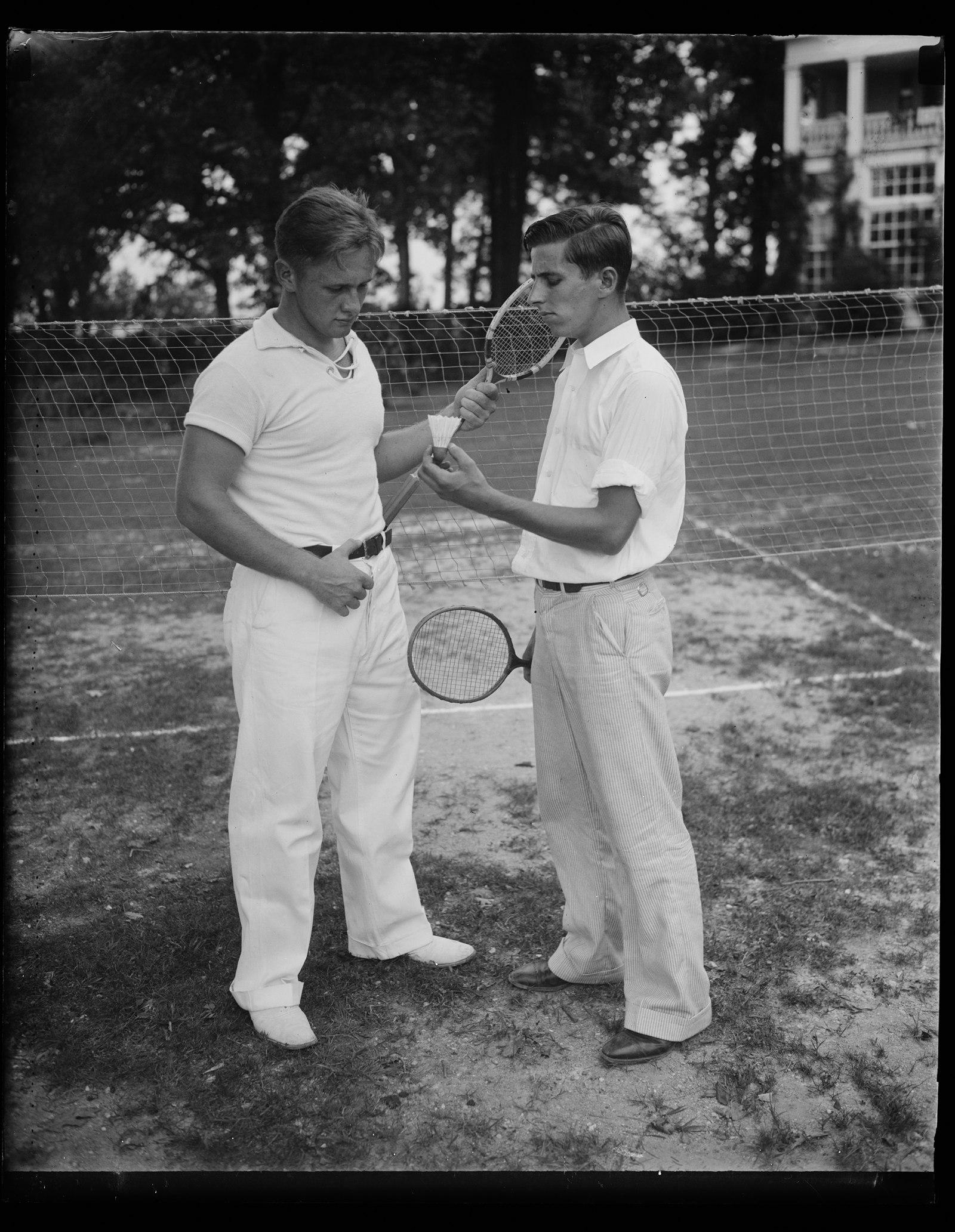
One Saturdayand a missing shuttlecock
Joel Pritchard, Bill Bell and Barney McCallum came back from golf to a house full of bored children and an overgrown badminton court. Nobody could find the shuttlecock or a full set of rackets. What they could find was a box of table-tennis paddles and a perforated plastic ball.
The ball turned out to bounce properly on asphalt, so they dropped the net from badminton height to hip height to drive at it. The short court, the low net, the soft exchange at the kitchen line: all of it follows from a net being lowered on a Saturday afternoon by people who were not trying to invent anything.
The nameis still disputed
Everyone has heard that the game is named after a dog. Joan Pritchard, who was there, said otherwise: it reminded her of the pickle boat in crew, the boat made up of oarsmen left over from the other crews. A game assembled from leftover equipment, named after a boat crewed by leftover rowers.
The Pritchards maintained that Pickles the dog arrived after the game already had its name, and was named for it rather than the other way round. Bill Bell is said to have claimed a third version, that he liked putting opponents in a pickle. The dog story is the one that travelled, because it is the better story. We prefer the boat, because it is the truer one and it describes the object as well as the name.
Sixty yearsin thirteen entries
- 1965Bainbridge Island, Washington
Joel Pritchard, Bill Bell and Barney McCallum come back from golf to find their children bored. There is a badminton court behind the house but no shuttlecock and no full set of rackets, so they improvise with table-tennis paddles and a perforated plastic ball. The ball bounces well on asphalt, so the net comes down from five feet to hip height. That single decision is why the game is played low and close.
- 1967Bainbridge Island
The first court built for the game rather than borrowed from another one is laid in the garden of Bob O'Brian, a neighbour.
- 1968Seattle
Pickle Ball, Inc. is incorporated to make and sell equipment. McCallum cuts paddles out of plywood in his shed; the one he calls the M2 becomes the one everybody asks for. It is the first pickleball paddle designed as a paddle.
- 1972Washington
The name Pickle-ball is trademarked.
- 1976Tukwila, Washington
The Southcenter Athletic Club holds what is billed as the world's first pickleball tournament. Tennis magazine mentions it that July. Most competitors are table-tennis players who had never seen the game before the morning it started.
- 1984Tacoma, Washington
The United States Amateur Pickleball Association is formed and prints the first rulebook. The first national doubles championships are held the same year.
- 2001Arizona
A hundred players enter the Arizona Senior Olympics. The game finds its first large audience in retirement communities, and spends the next twenty years being patronised for it.
- 2008Mumbai
Sunil Valavalkar, who first played the game in British Columbia, brings it home and founds the All India Pickleball Association.
- 2009Buckeye, Arizona
The first USAPA National Championships.
- 2013Mumbai
The first All India Open. Two years later the association is affiliated to the International Pickleball Federation.
- 2022Olympia, Washington
The state where it was invented makes it the official state sport.
- 2024United States and India
Roughly 19.8 million people play in the United States, four consecutive years as the country's fastest-growing sport. In India, more than 50,000 players and over 500 courts, with forty to fifty new courts opening every month.
- 2026Hyderabad
Raya Gumbaz Elegance.
The paddle tooksixty years to settle
Every other racket sport inherited its equipment from a century of argument. This one started with whatever was in the shed, and the argument is still going. That is the interesting part of arriving now.
- 01
Table tennis, 1965
A borrowed paddle, five ounces of plywood and rubber, designed for a ball a tenth of the weight. It worked for one afternoon and then started splitting.
- 02
The M2, 1968
Barney McCallum's plywood paddle, band-sawn in a shed. Bigger face, longer handle, drilled to balance. Wood stayed the default for nearly twenty years.
- 03
Composite, 1984 on
Aluminium honeycomb bonded between fibreglass skins, borrowed from aircraft floor panels. Lighter, louder, and the first paddle you could not make at home.
- 04
Raw carbon, now
Polypropylene honeycomb under unpainted carbon fibre, thermoformed as one piece. The grip on the ball comes from the texture of the weave, which is also where we put the geometry.
Borrowed from two gamesthe court from one, the paddle from the other
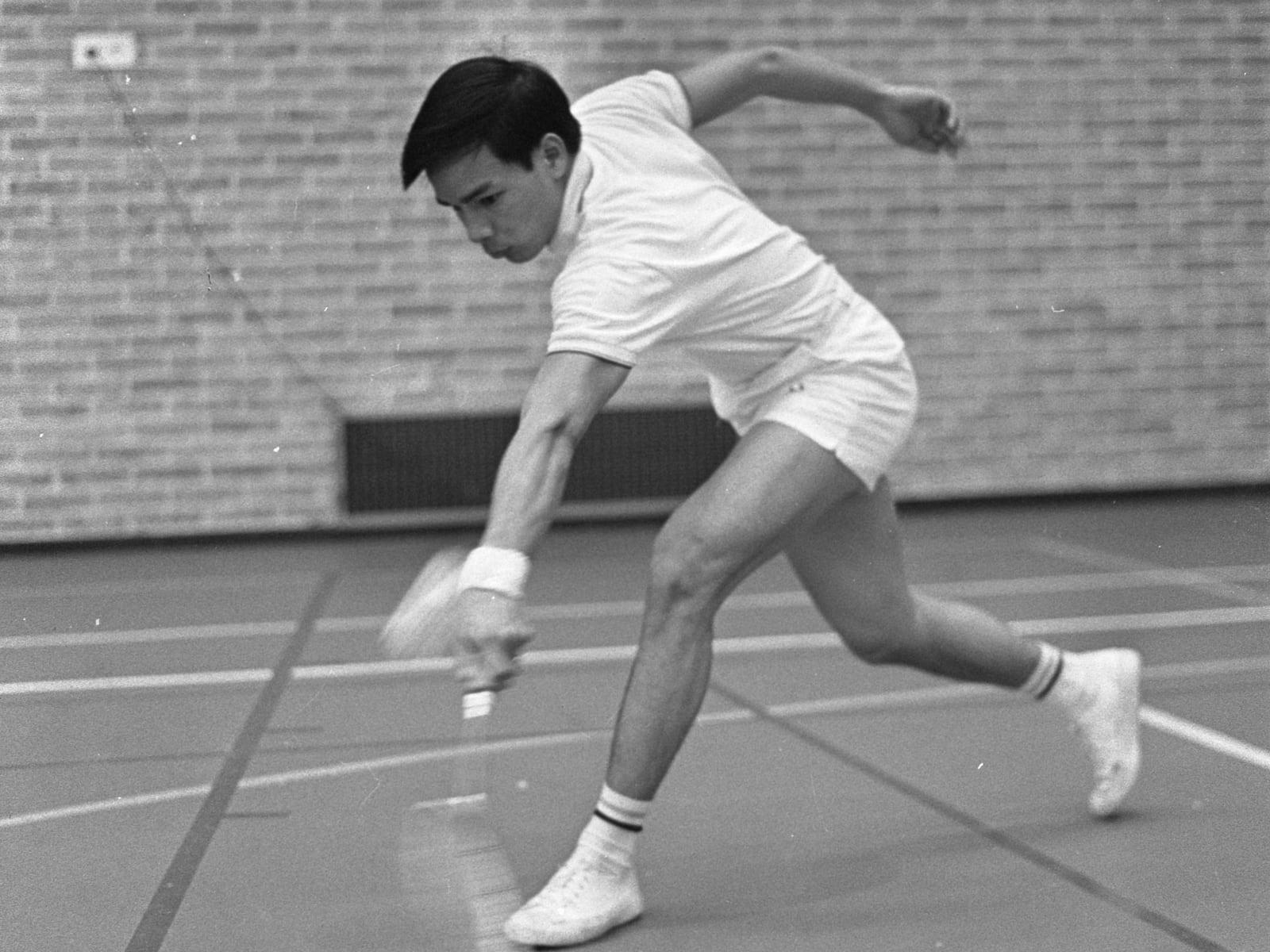
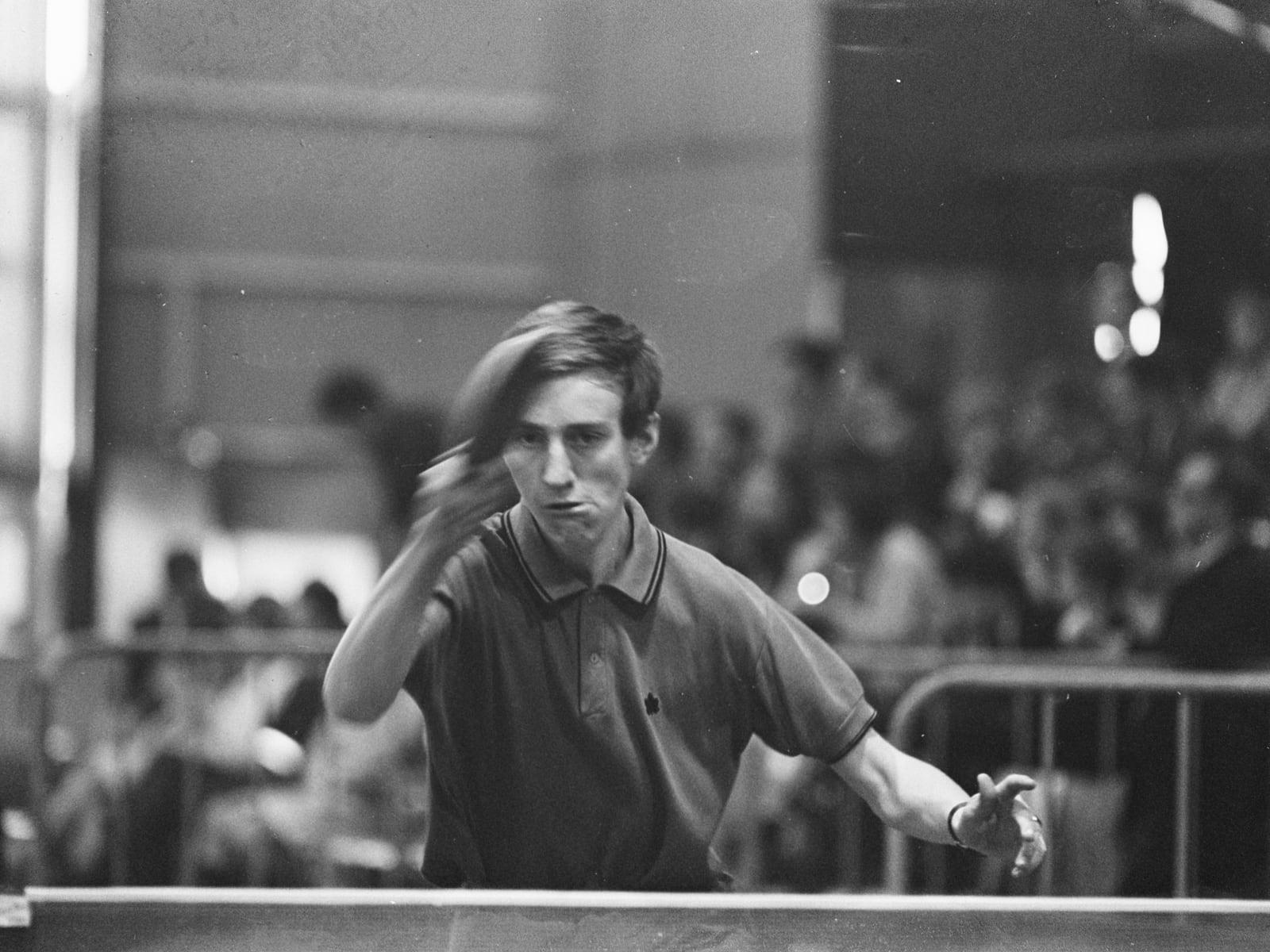
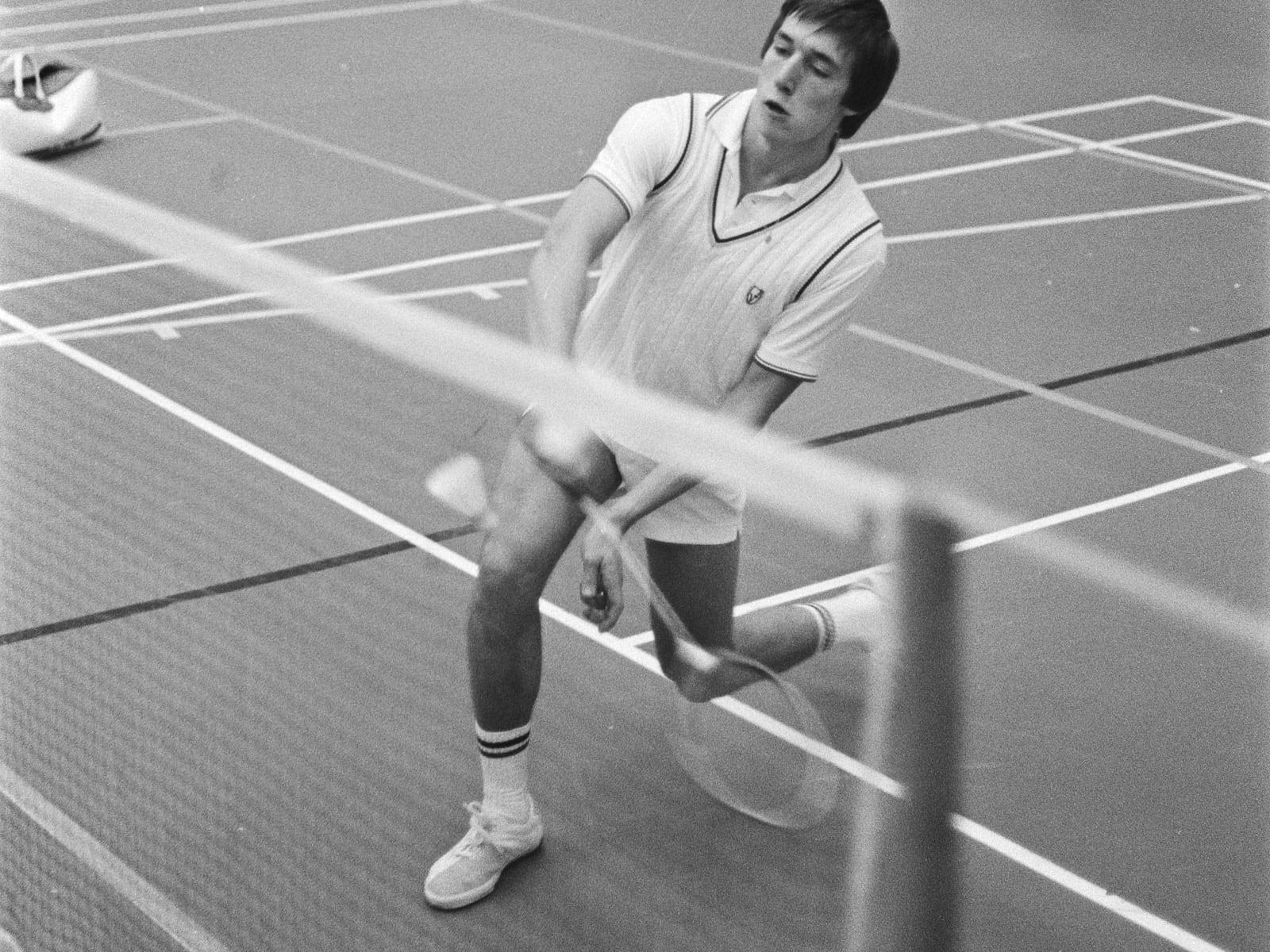
These three plates are badminton and table tennis, not pickleball. The game’s own founding photographs — the first court on Bainbridge Island, Barney McCallum’s M2 paddle, the first tournament at Tukwila in 1976 — are held privately and by USA Pickleball. We would rather show the two games it was assembled from, honestly captioned, than use pictures we have not licensed. They go in once they are.
And thenit reached here
Sunil Valavalkar first played on a trip to British Columbia and spent years demonstrating the game to anyone who would stand still, starting with his own daughter. The All India Pickleball Association was founded in Mumbai in 2008, the first All India Open followed in 2013, and international affiliation in 2015.
For most of that stretch the equipment sold here was imported, mass-moulded and frankly disposable, built for a sport nobody expected to last. It lasted. Fifty thousand players and five hundred courts later, it seems reasonable to make something for it that is worth keeping.
Dates and attributions drawn from USA Pickleball’s published history, the Washington State Archives, HistoryLink.org and the All India Pickleball Association. Where accounts disagree, as they do about the name, we have said so rather than picked the neater version.